Pivot Auto Transports

WHAT WE MOVE

Every vehicle type. Every route. One Call

From a daily driver to a full commercial fleet, here’s exactly what Pivot Auto Transports ships, how each method works, and what’s included, no vague service descriptions, no surprises after you book.

THE TWO WAYS WE SHIP

Open or enclosed — the foundation of every quote.

Every vehicle we transport moves by one of these two methods. The right one depends on your vehicle's value, condition, and how much exposure to the elements you're comfortable with.

Open Transport · Most Popular

Open Auto Transport

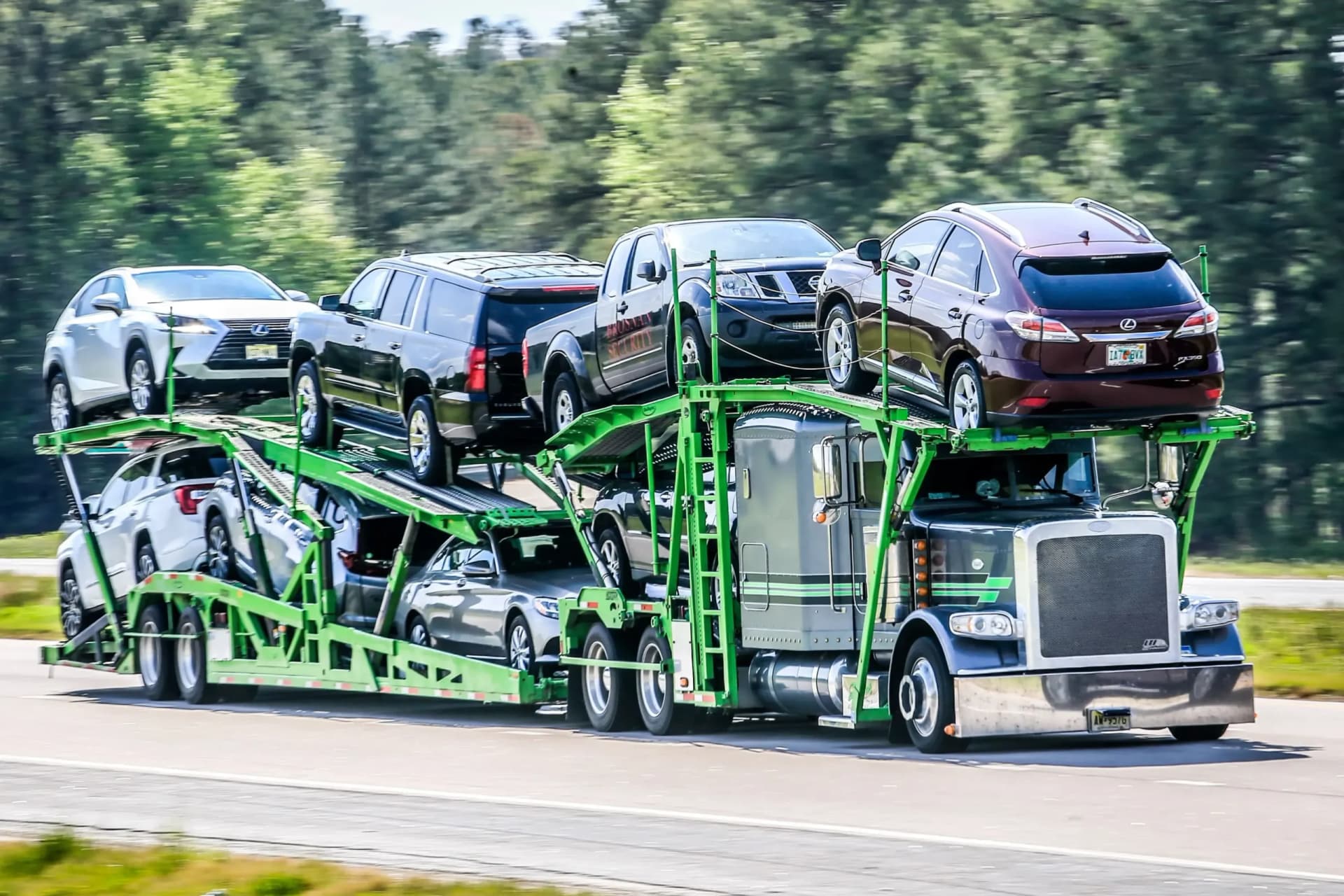
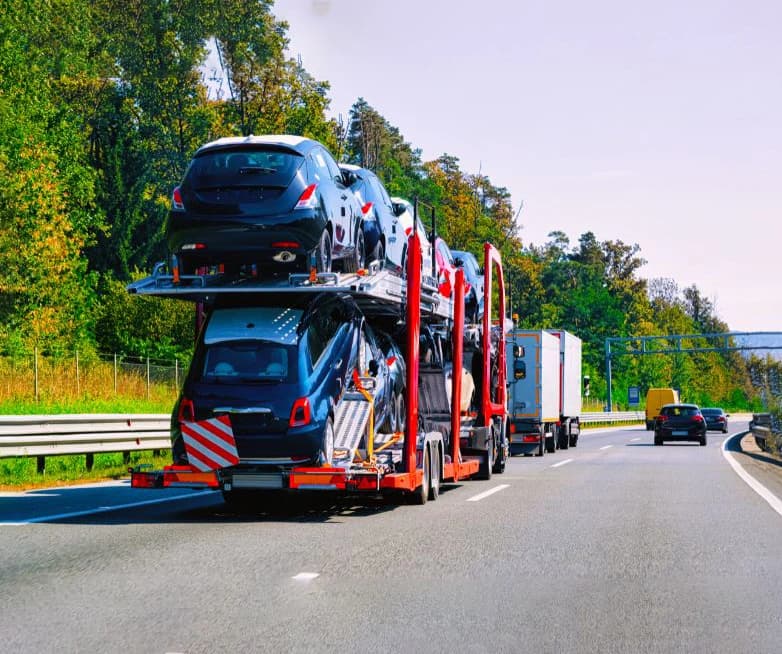
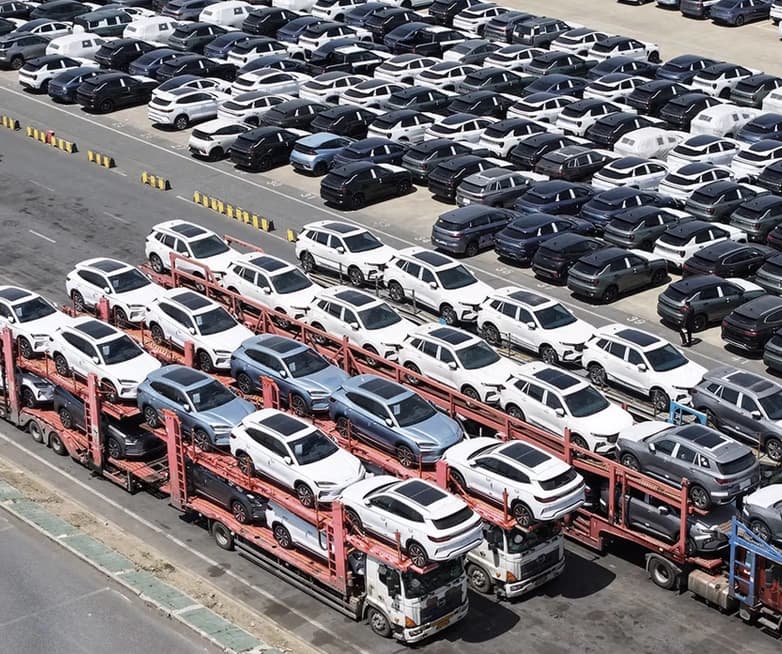
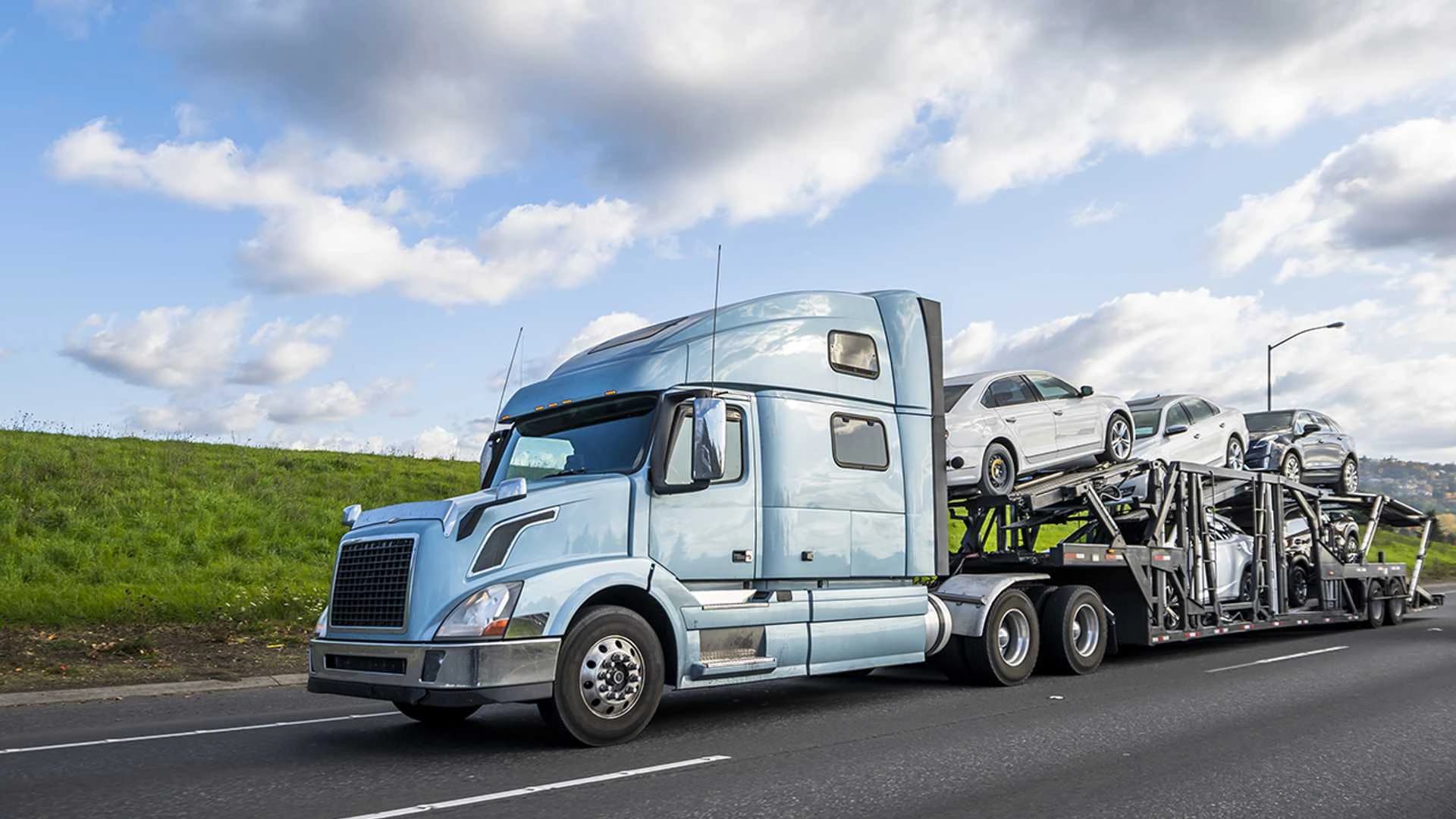
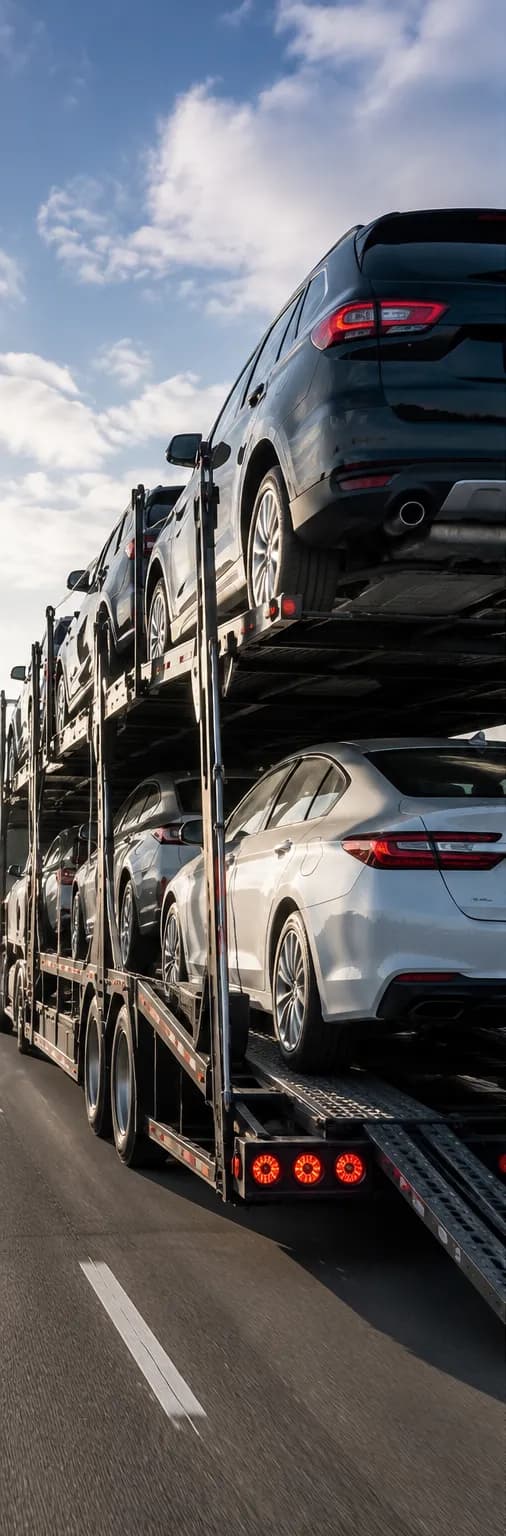
Your vehicle travels on a multi-car open carrier alongside other vehicles — the same method dealerships and auction houses use to move inventory nationwide. It's the most cost-effective option, fully insured, and suited to the vast majority of shipments: daily drivers, seasonal vehicles, and classics that don't require full enclosure.

  • Up to 10 vehicles per carrier
  • Widest carrier availability — fastest typical dispatch
  • Fully insured in transit, industry-standard coverage
  • Right fit for most standard and everyday vehicles
Enclosed Transport · Premium

Enclosed Auto Transport

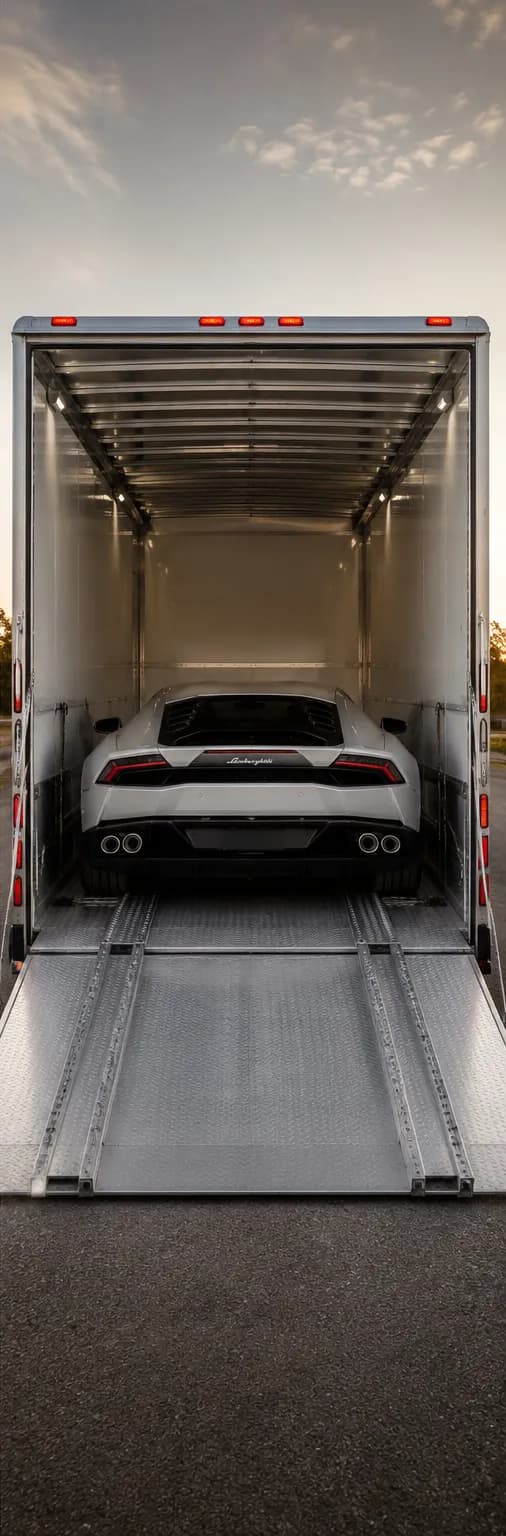
Your vehicle rides inside a fully enclosed trailer, shielded from weather, road debris, and the general wear of open-carrier transport. Loads are limited to one or two vehicles per trailer, meaning more careful handling and less time on and off the carrier. This is the standard for exotic, vintage, and any vehicle where "close to perfect" on delivery isn't good enough.

  • 1–2 vehicles per trailer — more careful handling
  • Full protection from weather and road debris
  • Soft-strap tie-downs available, no wheel clamps on request
  • Preferred standard for exotic and collector vehicles

SPECIALTY VEHICLE CATEGORIES

Vehicles that need more than a standard booking.

Some shipments call for specific carrier experience, extra clearance, or non-standard trailers. These three categories get matched with carriers vetted specifically for that type of load.

High-Value Vehicles

Luxury & Exotic Vehicle Transport

For vehicles where the carrier matters as much as the method. Every luxury or exotic shipment is matched with carriers vetted for high-value experience — not just insurance minimums, but a track record with vehicles in this class. Enclosed transport is standard, soft-strap tie-downs only, with close involvement from pickup to delivery.

  • Enclosed transport standard
  • Soft-strap tie-down only — no wheel clamps
  • Carriers vetted specifically for high-value experience
Military & Gov't

Military Vehicle Transport

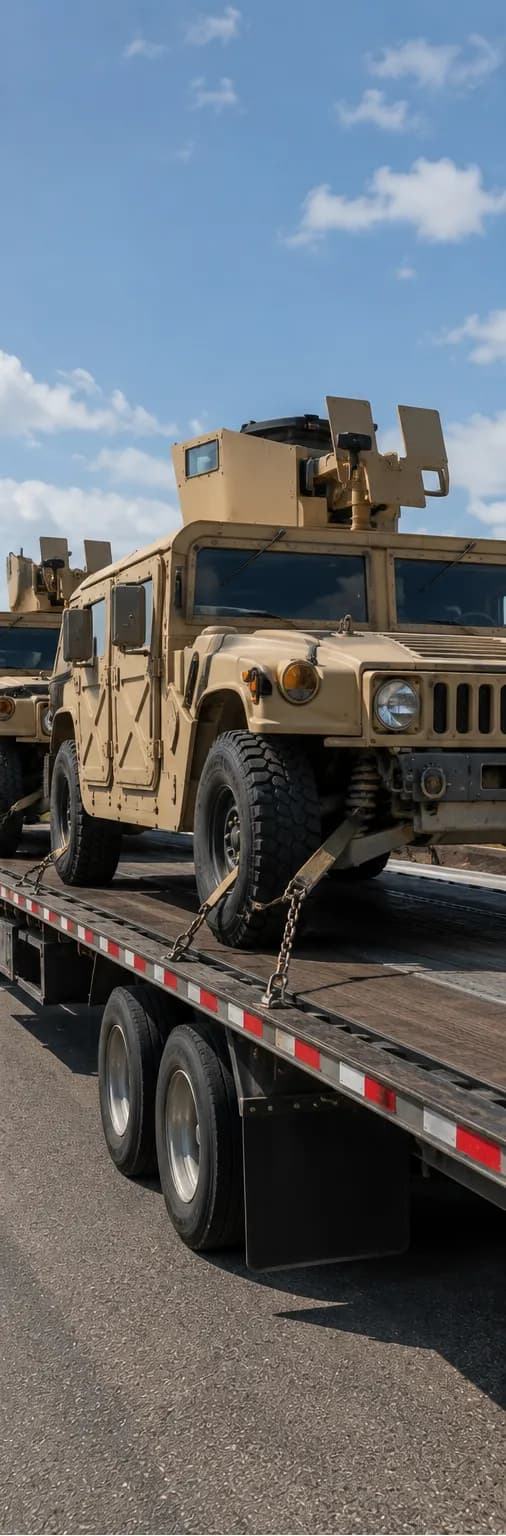
Tactical and military-spec vehicles come with clearance, permitting, and handling requirements that standard consumer transport doesn't cover. Oversized clearances are coordinated where needed, and loads are matched with carriers experienced in this category — active duty, veteran, and collector clients alike.

  • Oversized clearance coordination
  • Carriers experienced with tactical/military-spec vehicles
  • Permit filing handled where required
Heavy Haul

Heavy Equipment & Machinery Transport

Construction and agricultural equipment that doesn't fit a standard car carrier needs a different kind of trailer entirely — lowboys, step-decks, RGNs — and often a route survey or oversize permit before it leaves the yard. The right trailer type gets matched to your equipment's weight and dimensions, and the permitting conversation is handled directly.

  • Lowboy, step-deck, and RGN trailer matching
  • Oversize/overweight permit coordination
  • Route survey available for oversized loads

COMMERCIAL & LOGISTICS SERVICES

For dealers, auction buyers, fleets, and time-sensitive moves.

These five services cover the situations that come with their own logistics — recurring business needs, hard deadlines, and long-haul routing.

Business Logistics

Dealer-to-Dealer Vehicle Transport

Trade-ins, inter-dealer transfers, and stock repositioning, coordinated so your inventory turns faster. Scheduling works around dealership hours directly, with consolidated routing when you're moving multiple units and paperwork handled the way a dealer expects it.

  • Multi-unit routing and consolidation
  • Flexible pickup windows around dealership hours
  • Trade-in and inter-store transfer support
Business Logistics

Auction Vehicle Transport

Pickup and delivery coordinated directly with major auction platforms — Copart, ADESA, Manheim — so your purchase gets off the lot without you having to manage the logistics yourself. Familiar with how these yards operate, including release paperwork and pickup windows.

  • Direct coordination with Copart, ADESA, Manheim
  • Familiar with auction release and paperwork processes
  • Runs and non-runs both handled
Business Logistics

Corporate Fleet Transport

Relocating or repositioning multiple vehicles for a business — a small fleet move or an ongoing repositioning need — gets one point of contact instead of separate bookings. Scheduling is built around your operational needs, with updates across every vehicle in the batch, not just one at a time.

  • Single point of contact for multi-vehicle moves
  • Scheduling built around business operations
  • Consolidated tracking across the full fleet
Time-Sensitive

Expedited Vehicle Shipping

When the timeline is the priority — a hard delivery date, an event, a same-week relocation — your load gets prioritized in carrier dispatch for faster pickup, often same-day or next-day depending on route availability. It carries a premium over standard scheduling, and you'll get an honest answer upfront if a route can't realistically be expedited.

  • Priority carrier dispatch
  • Same-day or next-day pickup where routes allow
  • Honest timeline assessment before you book
Long-Haul

Cross-Country Vehicle Transport

Coast-to-coast relocation, whether it's a single vehicle or several, routed for the most reliable carrier availability on long-haul lanes. Transit expectations are set realistically upfront — cross-country shipments typically run 6–9 transit days — with updates at each major checkpoint along the way.

  • Coast-to-coast, point-to-point routing
  • Realistic transit windows set upfront (typically 6–9 days)
  • Checkpoint updates on long-haul routes